Shin Splints & Stress Fracture Treatment
Expert treatment for shin splints and stress fractures. Get back to running and training with our comprehensive biomechanical approach.
Schedule Your Evaluation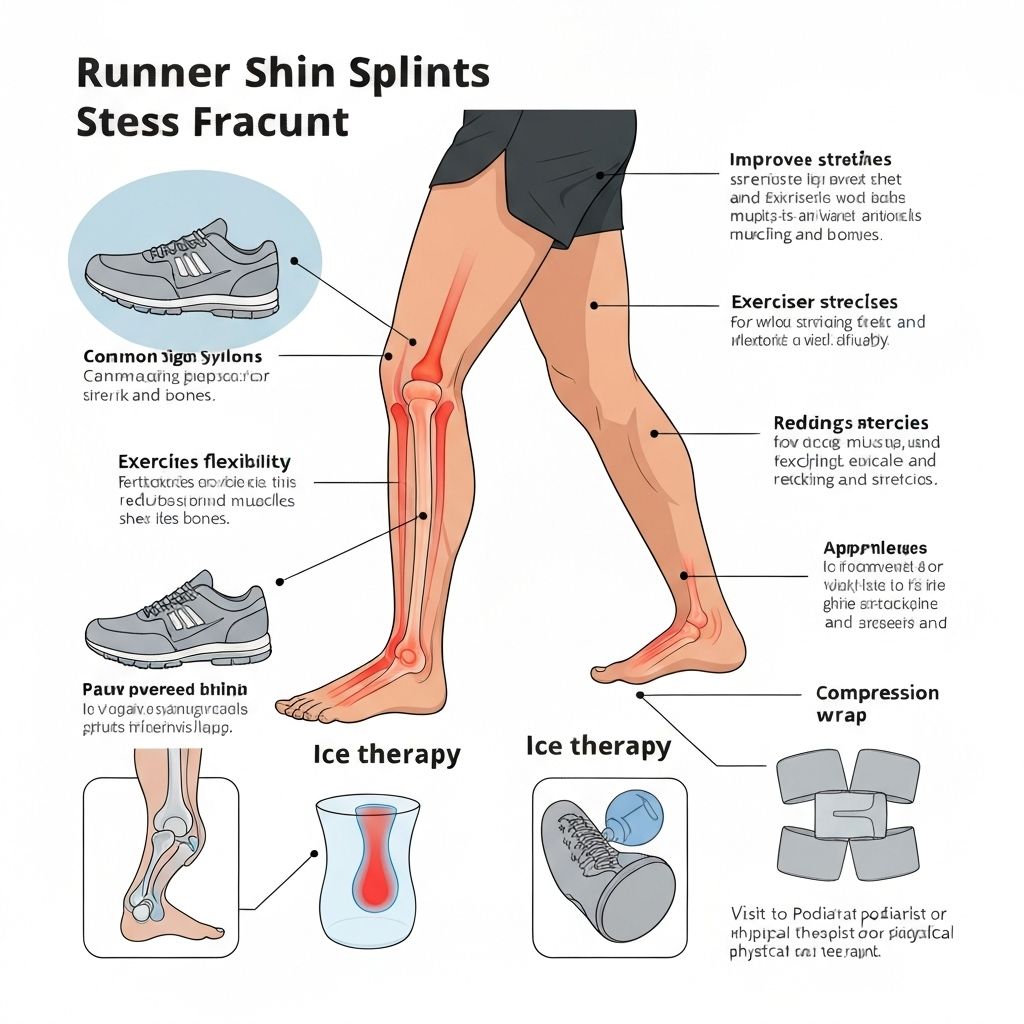
Understanding Shin Splints & Stress Fractures
Shin splints and stress fractures are common overuse injuries affecting runners and athletes in Overland Park and throughout the Kansas City area. Whether you're training on the Indian Creek Trail, running at the Overland Park Arboretum, or working out at Fit House KC, these conditions can significantly impact your training and performance. At Move Muscle & Joint, we specialize in treating the underlying causes of shin splints and stress fractures to help you return to activity safely.
Shin splints, medically known as medial tibial stress syndrome (MTSS), involve pain along the inner edge of the shinbone (tibia). This condition results from repetitive stress causing inflammation of muscles, tendons, and bone tissue. Common in runners, dancers, and military recruits, shin splints typically develop when training volume or intensity increases too quickly, or when biomechanical issues place excessive stress on the lower leg.
Stress fractures are small cracks in the bone caused by repetitive force and overuse. In the lower leg, they most commonly occur in the tibia or fibula. Stress fractures represent a more serious progression along the bone stress continuum and require more conservative management than shin splints. They often develop when shin splints are ignored or when training continues despite pain.
Common symptoms of shin splints include pain along the inner shin that worsens with activity, tenderness to touch along the bone, mild swelling, and pain that improves with rest. Stress fractures typically produce more localized, severe pain that persists even at rest, point tenderness over a specific area, pain with hopping on one leg, and swelling over the fracture site.
Risk factors for both conditions include rapid increases in training volume or intensity, running on hard surfaces, worn-out or improper footwear, biomechanical issues (overpronation, high arches, leg length discrepancies), muscle imbalances and weakness, poor running mechanics, and inadequate recovery between training sessions. Female athletes may have additional risk factors related to the female athlete triad (low energy availability, menstrual dysfunction, and low bone density).
Our treatment approach addresses not just the symptoms but the underlying biomechanical and training factors that caused the injury. We work with runners and athletes throughout Overland Park, Leawood, Prairie Village, Lenexa, Olathe, and surrounding communities, helping them recover from shin splints and stress fractures while implementing strategies to prevent recurrence.
Common Signs & Symptoms
Our Treatment Approach
Comprehensive treatment for shin splints and stress fractures:
Biomechanical Assessment & Correction
Comprehensive evaluation of foot mechanics, ankle mobility, hip strength, and running gait. Address biomechanical issues like overpronation, leg length discrepancies, and muscle imbalances that contribute to excessive stress on the lower leg.
Rehabilitation & Strengthening
Progressive strengthening program targeting the muscles of the lower leg, foot, and hip. Improve flexibility, build endurance, and correct movement patterns. Gradual return-to-running program ensures safe progression back to full activity.
Shockwave Therapy
Advanced acoustic wave technology accelerates healing in bone and soft tissue. Particularly effective for chronic shin splints and promoting bone healing in stress fractures. Reduces pain and inflammation while stimulating tissue regeneration.
Frequently Asked Questions
What's the difference between shin splints and stress fractures?
Shin splints (medial tibial stress syndrome) involve inflammation of muscles, tendons, and bone tissue along the shin. Stress fractures are actual cracks in the bone from repetitive stress. Shin splints typically cause diffuse pain along the inner shin, while stress fractures produce more localized, severe pain. Both require proper diagnosis and treatment to prevent progression.
How long does it take to recover from shin splints?
Recovery time varies based on severity and how quickly treatment begins. Mild shin splints may resolve in 2-4 weeks with proper care, while more severe cases can take 6-8 weeks or longer. Stress fractures typically require 6-8 weeks of modified activity. Our comprehensive approach addresses underlying causes to accelerate healing and prevent recurrence.
Can I continue running with shin splints?
Continuing to run through shin splint pain can worsen the condition and potentially lead to stress fractures. We recommend modifying activity during treatment, using cross-training alternatives like swimming or cycling. Once pain resolves, we guide you through a gradual return-to-running program that prevents re-injury.
Ready to Get Back to Running?
Don't let shin splints or stress fractures keep you sidelined. Schedule a consultation and discover how our comprehensive biomechanical approach can help you recover and prevent future injuries.
Book Your Evaluation Today